Wondering what your home could sell for in today's market? Here's how to understand your property's value and what really matters when determining its worth.
If you own a home in Kitchener, Waterloo, Cambridge or the surrounding communities, you've probably wondered what it might sell for in today's real estate market.
Maybe you've been thinking about moving to a larger home, downsizing, relocating to another neighbourhood, or simply finding out how much equity you've built up over the years.
Whatever your reason, understanding your home's current market value is a great place to start.
As a REALTOR® serving Waterloo Region, I know that determining a home's value involves much more than looking at what a neighbour's house sold for or checking an online estimate. Every property has its own characteristics, and changing market conditions can affect different homes in different ways.
The good news? There are several ways to get a clearer picture of what your home may be worth.
Let's take a closer look.
How Much Is My House Worth in Kitchener-Waterloo?
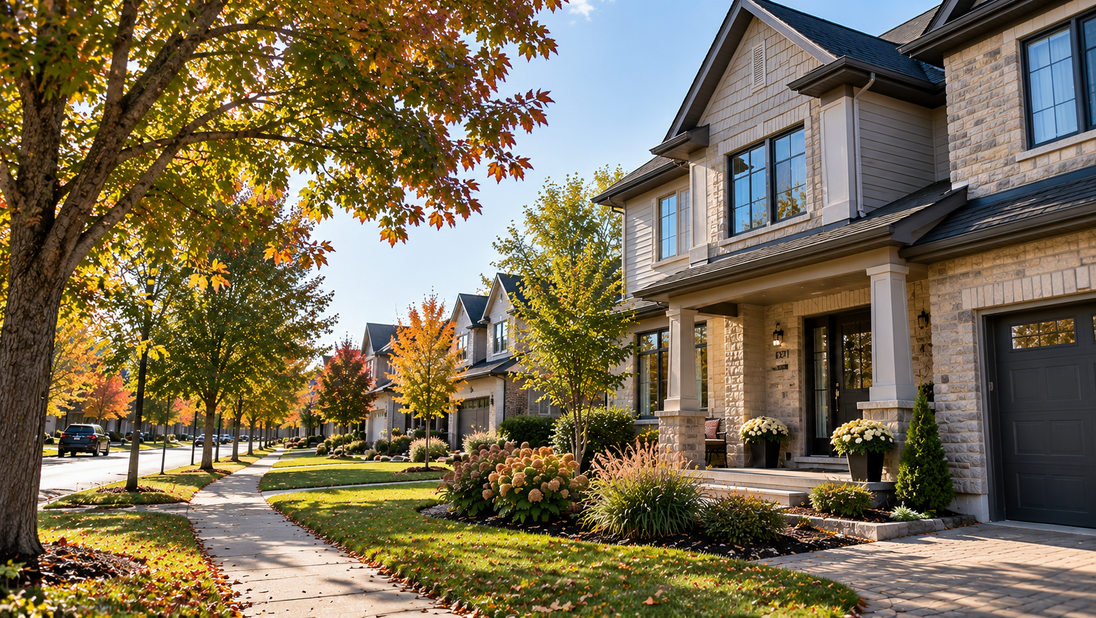
Your home's market value is the price a buyer would reasonably be expected to pay for it under current market conditions. That value depends on several factors, including your home's location, size, condition, layout, recent comparable sales and the amount of competition from other properties for sale. For example, two detached homes on the same street might look similar from the outside but sell for different prices because one has a finished basement, a renovated kitchen, a larger lot or a more functional layout. Market conditions also matter. When buyers have plenty of homes to choose from, they may take more time to make decisions and negotiate more firmly. When desirable homes are in short supply, competition can sometimes push prices higher.
The best way to estimate your home's current market value is to compare it with similar properties that have recently sold in your neighbourhood and consider how your property compares with the homes buyers can choose from today.
This is where working with a local REALTOR® can help.
1. What Factors Determine Your Home's Value?
Although location is important, it isn't the only thing that determines what buyers are willing to pay.
Here are some of the key factors I consider when evaluating a property.
Location and neighbourhood
Location continues to play an important role in real estate values.Buyers may consider proximity to schools, parks, shopping, public transit, major roads, employment areas and other amenities when choosing where to live.Even within Kitchener, Waterloo and Cambridge, values can vary considerably between neighbourhoods. Two homes with similar square footage and features may attract different levels of interest depending on their surroundings.
Size and layout
The overall size of your home matters, but how that space is used can be just as important.A home with a practical floor plan, generous bedrooms, sufficient bathrooms and useful living areas may appeal to more buyers than a similarly sized property with an awkward layout.For growing families, features such as an additional bedroom, a dedicated home office or a functional mudroom can be particularly attractive.
Condition and updates
Buyers tend to notice the overall condition of a home, both online and during showings. A well-maintained property with clean finishes, neutral paint colours and a welcoming atmosphere may make a stronger impression than a comparable home that requires noticeable repairs. Renovations can help, too, but it is important to remember that the amount you spend on an improvement does not necessarily equal the amount it adds to your home's value. Before investing in a major renovation, consider the likely buyers for your property, the condition of competing listings and whether the improvement is likely to make a meaningful difference. Sometimes, taking care of maintenance issues and improving presentation is a more sensible approach than undertaking an expensive renovation.
Lot size, parking and outdoor space
Outdoor features can influence a property's appeal. A larger yard, usable outdoor living space, a garage, adequate parking or additional privacy may be important selling points for certain buyers.The value of these features depends on the neighbourhood, the type of property and what buyers are looking for in that particular price range.
Comparable homes that have recently sold
One of the most useful ways to estimate your home's value is to look at similar properties that have recently sold nearby.These are known as comparable sales, often shortened to comps.
Ideally, the properties have similar characteristics, such as:
- Location and neighbourhood.
- Property type and age.
- Square footage and layout.
- Number of bedrooms and bathrooms.
- Lot size and parking.
- Overall condition and upgrades.
2. How Do I Find Out What My House Is Worth?
There are several ways to begin researching your home's value. Each has its benefits, but some provide a more complete picture than others.
Online home value estimators
Online tools can be a convenient starting point if you're curious about your home's potential value. Depending on the tool, estimates may use publicly available information, historical sales data, property characteristics and broader market trends. The limitation is that an online estimate may not fully account for your home's current condition, renovations, layout, specific location or other details that influence what a buyer might pay. An automated estimate is best treated as a general indication, not a guaranteed selling price.
Looking at homes currently for sale
Browsing listings in your neighbourhood can help you understand your competition. You can see what other sellers are asking, how their homes are presented and which features they highlight. However, an asking price is not the same as a home's market value. A property may sell above asking, below asking or not sell at all. It's important to distinguish between what sellers hope to receive and what buyers are actually willing to pay.
Reviewing recent comparable sales
Recently sold properties provide valuable insight into what buyers have paid for similar homes. When reviewing sales, it helps to consider how recently the transaction occurred and whether the market has changed since then.It's also important to compare properties with similar characteristics rather than relying on a single sale that may not be representative of your home.
Requesting a Comparative Market Analysis (CMA)
For a more personalized assessment, I can prepare a Comparative Market Analysis, commonly called a CMA.A CMA examines relevant market information and compares your property with similar homes that have sold, are currently listed or may be competing for the same buyers. I also consider your home's features, condition, location and presentation when assessing how it may compare with other properties. The goal is to develop a realistic, evidence-informed estimate of your home's potential market value and discuss an appropriate pricing strategy if you're considering selling. A CMA is not a formal appraisal, and the eventual selling price cannot be guaranteed. However, it can provide a useful foundation for making informed decisions about your next move.
3. Is My Municipal Property Assessment the Same as My Home's Market Value?
No. Your municipal property assessment and your home's current market value are two different things. In Ontario, property assessments are used to help determine property taxes. They are prepared through the Municipal Property Assessment Corporation (MPAC) and are based on an assessment process with its own valuation date and methodology. Your home's current market value reflects what buyers may be willing to pay under today's market conditions. Because the real estate market changes over time, your assessed value may differ from what your home could sell for today. For that reason, I wouldn't recommend relying on your municipal assessment alone when deciding what price to list your home for. If you're curious about your home's potential selling price, reviewing recent comparable sales and current market conditions will provide a more relevant starting point.
4. Does Renovating My Home Increase Its Value?
It can, but not every renovation delivers the same return. Some improvements may help your home appeal to more buyers, while others may have little effect on the final selling price. The answer depends on your property, your neighbourhood, the quality of the work and what buyers expect in your home's price range. Here are a few examples.
Kitchen and bathroom updates
These rooms can influence a buyer's overall impression of a home. However, a complete renovation may not be necessary if the existing space is functional and well maintained.
Fresh paint and updated finishes
A fresh coat of paint, clean flooring and simple cosmetic improvements can help a property feel brighter and more move-in ready.
Finished basements
A finished basement may provide valuable additional living space, particularly for families. Its contribution to market value depends on the quality of the work, the layout, ceiling height, functionality and comparable homes.
Maintenance and repairs
Addressing visible maintenance issues can help buyers feel more confident about a property. Depending on the condition of your home, repairs may be more important than cosmetic upgrades.
Landscaping and curb appeal
First impressions begin before buyers walk through the front door. A tidy yard, trimmed landscaping and a welcoming entrance can help your home present well in listing photographs and during showings.
My advice? Before spending thousands of dollars getting your home ready for sale, find out which improvements are most likely to make a difference for your particular property. The goal is not to make your home the most expensive one on the street. It's to prepare it in a way that makes sense for the market and the buyers you're hoping to attract.
5. How Does the Current Waterloo Region Real Estate Market Affect My Home's Value?
Your home's value is influenced not only by its individual features but also by what is happening in the broader real estate market. Interest rates, affordability, employment conditions, buyer confidence, available inventory and the number of competing listings can all affect demand. It's also important to remember that different property types may experience different market conditions.
You can explore the published figures through the Cornerstone Association of REALTORS® market statistics.
What does this mean for your home?
It means that choosing a realistic price and understanding your competition are especially important. For example, a seller with a well-maintained detached home may face different market conditions from someone selling a condominium in a building with several similar units available. Buyers may also compare your property with homes in nearby neighbourhoods or consider whether they can get more space, a different layout or additional features for a similar price. This is why broad statements such as "house prices are down" don't tell the whole story.
Your home's value depends on how it compares with the properties buyers can choose from in your particular segment of the market.
If you're considering selling, I can help you understand the relevant local sales, assess the competition and develop a pricing strategy based on your goals and current conditions.
6. Why Can Two Similar Houses Sell for Different Prices?
This is a question I hear from homeowners who have been watching sales in their neighbourhood. You might see a house similar to yours sell for a price that surprises you, either positively or negatively. There are several possible reasons.
Condition and presentation: One property may be updated, well maintained and professionally presented, while the other requires work.
Layout and functionality: Even homes with similar square footage can feel very different to buyers. Bedroom placement, storage, natural light and the flow between living spaces all matter.
Location within the neighbourhood: Street traffic, privacy, lot orientation, nearby amenities and other location-specific factors can affect buyer preferences.
Pricing strategy: The initial asking price and the seller's approach to marketing can influence how buyers respond to a listing.
Competition and timing: The number of similar homes available when a property is listed can affect the attention it receives and the offers it attracts.
Buyer preferences: Ultimately, a home's value is influenced by what buyers are willing to pay. Different buyers may place different levels of importance on features such as a finished basement, a large yard or an updated kitchen. This is why I prefer to look at several relevant comparable sales and consider the full picture rather than base a valuation on one nearby transaction.
7. Should I Find Out What My Home Is Worth Even If I'm Not Ready to Sell?
Absolutely. You don't need to have a moving date in mind to start learning about your home's potential value. Knowing where you stand can help you plan for the future, whether you're thinking about moving in six months, a few years from now or simply exploring your options.
For example, you may be wondering:
- Could I afford to move into a larger home?
- Would downsizing free up some of the equity in my property?
- Should I renovate before selling, or would I be better off moving?
- What price range should I consider if I want to move to another neighbourhood?
- How much might I have available for a down payment on my next home?
Frequently Asked Questions About Home Values in Kitchener-Waterloo
How can I find out what my house is worth in Kitchener, Ontario?
Start by reviewing recent sales of similar properties in your neighbourhood. For a more personalized estimate, a REALTOR® can prepare a Comparative Market Analysis that considers your home's features, condition, location and current competition.
Can I trust online home value estimates?
Online estimates can provide a general starting point, but they may not reflect your home's condition, renovations, layout or other property-specific details. They should not be treated as a guaranteed selling price.
How often should I check my home's value?
If you're considering selling or buying another property, it's worth reviewing your home's value as your plans develop. Market conditions can change, so an estimate prepared several months ago may need to be revisited before you make a decision. If you're simply keeping an eye on your property's value, periodic reviews can help you understand broader market trends without assuming that every change in the market affects every home equally.
Does a Comparative Market Analysis cost money?
I can discuss preparing a CMA for your property and explain what's involved. If you're considering selling, it can be a useful first step toward understanding your options and developing a pricing strategy.
Thinking About Selling Your Home in Waterloo Region?
Whether you're planning to sell soon, considering a move in the next year or simply curious about your home's value, having reliable information can help you make more confident decisions. As a REALTOR® with Royal LePage Wolle Realty, I help homeowners throughout Kitchener, Waterloo, Cambridge, Guelph and surrounding communities understand the local market, prepare their homes for sale and plan their next move. I believe that good real estate advice starts with understanding your goals—not simply putting a price on your property. If you'd like to know what your home could be worth in today's market, I'd be happy to talk with you.
Let's start with a conversation about your home, your plans and what your next move could look like.

Julie Schmidt is a REALTOR® with Royal LePage Wolle Realty, serving buyers and sellers throughout Waterloo Region and surrounding communities. Julie helps homeowners navigate the selling process, understand local market conditions and plan their next move with confidence. For more Waterloo Region real estate insights, market updates and practical buying and selling advice, visit the SoldByJulie.ca blog.